

Master Amazon PPC advertising with proven strategies. Learn campaign structure, keyword research, bid optimization, and scaling tactics.
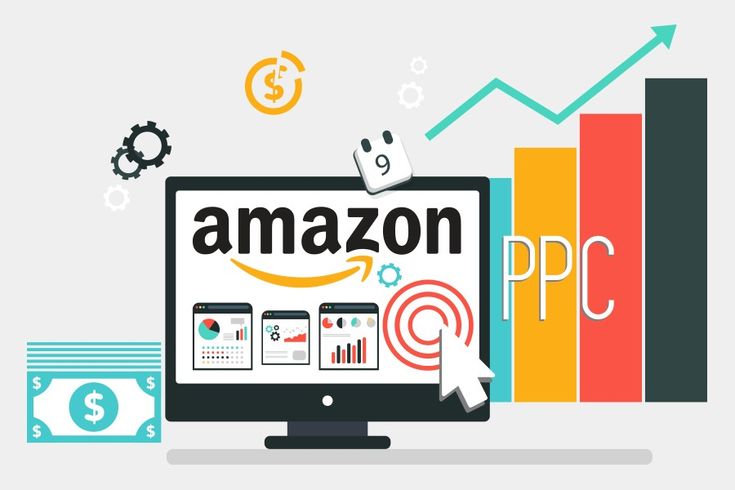
Running ads on Amazon can feel like a double-edged sword. On one hand, it gives you instant visibility and sales. On the other, it can quietly drain your profits if not managed correctly.
Many sellers jump into Amazon PPC expecting quick wins, only to realize that without a clear strategy, ad spend can spiral out of control. The difference between profitable sellers and those who struggle often comes down to how well they understand and optimize their PPC campaigns.
This guide breaks down how Amazon PPC really works—and how you can use it to consistently achieve 300%+ return on ad spend (ROAS).
Amazon PPC (Pay-Per-Click) is not just a traffic tool—it’s a ranking engine.
When you run ads, you’re not only buying clicks, you’re also signaling to Amazon’s algorithm that your product is relevant. This can improve your organic rankings over time, which means more “free” sales in the long run.
But this only works if your campaigns are structured correctly. Poor targeting or weak listings can lead to wasted spend without any ranking benefit.
Sponsored Products are the most commonly used ad type on Amazon, and for good reason. These ads appear directly in search results and product pages, targeting shoppers with high purchase intent.
The key to success here is relevance.
Instead of targeting hundreds of keywords blindly, profitable sellers focus on a smaller set of highly relevant keywords that closely match their product. This increases conversion rates and lowers wasted spend.
A common mistake is relying too heavily on automatic campaigns. While they are useful for discovering keywords, they should not be your long-term strategy. The real profitability comes from transferring winning keywords into manual campaigns where you have full control over bids.
Sponsored Brands are often overlooked, but they play a critical role in scaling.
These ads appear at the top of search results and showcase your brand logo along with multiple products. While they may not always convert as directly as Sponsored Products, they help build brand recognition and capture attention early in the buying journey.
For sellers aiming to grow beyond a single product, Sponsored Brands are essential. They allow you to control how customers perceive your brand and guide them toward your product ecosystem.
No PPC strategy can succeed without strong keyword research.
Successful sellers don’t just look for high-volume keywords—they focus on buyer intent. A keyword like “wireless headphones” may have massive traffic, but it’s also highly competitive and expensive. Meanwhile, a more specific term like “wireless headphones for gym running” may convert better at a lower cost.
The goal is to find keywords where:
Over time, your keyword list should evolve based on real data from your campaigns, not just initial research.
One of the most overlooked aspects of Amazon PPC is negative keyword management.
Every irrelevant click costs money. If your ad shows up for the wrong search terms, you’re paying for traffic that will never convert.
By regularly reviewing search term reports and adding negative keywords, you can eliminate wasted spend and improve your overall ROAS.
This is often the fastest way to improve profitability without increasing your budget.
Bidding is where strategy meets execution.
If your bids are too high, you’ll get traffic but lose money. If they’re too low, you’ll miss out on visibility and sales.
The goal is to find the “sweet spot” where your cost per click allows you to remain profitable after all expenses.
Successful sellers adjust bids based on performance:
This ongoing optimization is what separates average campaigns from highly profitable ones.
Achieving a 300% return on ad spend doesn’t happen overnight. It’s the result of consistent optimization and data-driven decisions.
At a high level, the formula looks like this:
It’s also important to understand that ROAS improves over time. Early campaigns may be less efficient as you gather data, but with proper optimization, performance should steadily improve.
Many sellers struggle with Amazon PPC not because it doesn’t work, but because of avoidable mistakes.
One of the biggest issues is running ads on poorly optimized listings. Even the best PPC strategy cannot fix a product page that doesn’t convert.
Another common mistake is scaling too quickly. Increasing budgets without refining targeting often leads to higher spend without proportional returns.
Finally, ignoring data is a major problem. Amazon provides detailed reports, but many sellers fail to analyze them properly, missing opportunities to improve performance.
Amazon PPC is not just an advertising tool—it’s a core part of your growth strategy on Amazon.
When done correctly, it can drive both immediate sales and long-term organic growth. But when mismanaged, it can quickly erode your margins.
The key is to approach PPC with a clear system: focus on high-intent keywords, eliminate wasted spend, and continuously optimize your campaigns.
If you stay consistent and data-driven, achieving 300%+ ROAS is not just possible—it’s sustainable.